


Graphics & Words by Caitlin Chuah
?
What is a postgraduate degree?
Postgraduate degrees are specialist qualifications that allow individuals to become experts in a particular field of study. Although most people begin working after completing their bachelor’s degree, postgraduate study is an alternative option for those who seek additional knowledge, skills and benefits in their career.
?
An example of a postgraduate degree is a master’s degree; a 1-2 years program which comes in 2 types: taught or research-based. Another example is a PhD, which is the highest academic qualification available and will usually require you to have a master’s degree or original research project/dissertation to apply.
?
Below are the top 4 benefits to obtaining a postgraduate qualification:
?
Better job opportunities
Needless to say, a higher academic qualification will open up many more doors in terms of your career. Having a postgraduate degree under your belt will catch the attention of employers and grant you a head-start over other graduates. Postgraduates tend to enter the corporate world at a higher position or make the step up in their career sooner than their peers. Want to know the best part? You get to earn more! According to a 2020 report by the Higher Education Policy Institute, postgraduate holders earn up to 18% more than bachelor’s degree holders just 6 months after graduation.
?

?
Research opportunities
As an undergraduate, you spend your time learning the existing knowledge in your field. As a postgraduate, you can contribute to that knowledge yourself. How? By partaking in research.
?
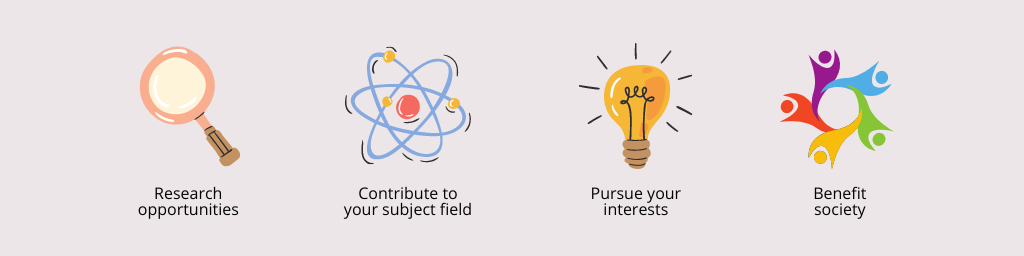
Generally, postgraduate degrees are research-based, which requires you to complete a research project or dissertation of your own. Research allows you to pursue your interests, learn something new, hone your problem-solving skills and challenge yourself in exciting ways. More importantly, research is what propels humanity forward, and by doing so, you are also benefiting our society and world.
?
?
Career Conversion
Postgraduate degrees can act as conversion courses, which allows you to switch up your career and obtain your dream job. For example, if you’re already working and would like to specialize in a particular skill that you find interesting or even switch fields entirely, a master’s degree or PhD could help you do so. In simple terms, you could study one subject at the undergraduate level and specialize in another at the postgraduate level.
?

?
Personal Development
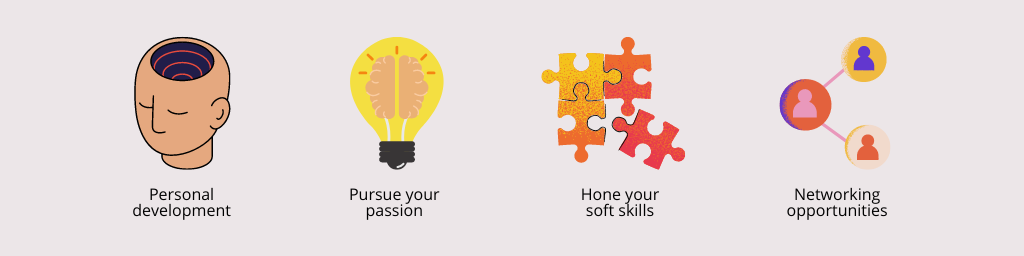
Lastly, whether you simply enjoy university life or would like to develop certain skills for interest’s sake, a postgraduate degree will fulfil your needs. You’ll also hone soft skills such as time-management, critical thinking, communication, writing and more, all of which will benefit you, not only in your career, but in daily life. Additionally, as a postgraduate student, you’ll have much more of an opportunity to network, not just with other students but with the lecturers and faculty staff. These contacts will come in handy when you’re ready to enter the field professionally.
?
?
If you have any questions or inquiries regarding your tertiary education, feel free to contact us. Our services include: education and career counselling, assistance in college/university applications, student visa application, arranging accommodation and more!